Pain Killer
Insomnia, more than most conditions you may suffer from, is a severe problem. Insomnia seriously impedes your ability to live an entire and fulfilling life, leading to prolonged periods of wakefulness and poor sleep throughout the night. And it’s a widespread condition that significantly affects your mental energy, mood, and performance throughout the day. Buy insomnia treatment medicine at directuksleepingpills, deliver at your door step within 24 hours.
Insomnia can be caused by various factors, including age (teens and youngsters are more likely to suffer from insomnia), certain types of medication, illness, diet, and lifestyle (excessive caffeine intake, alcohol intake, smoking). To effectively treat insomnia, it’s essential to understand its causes and how they can be treated. This way, you can address your condition with the best possible outcome.
Filter by price
Showing the single result
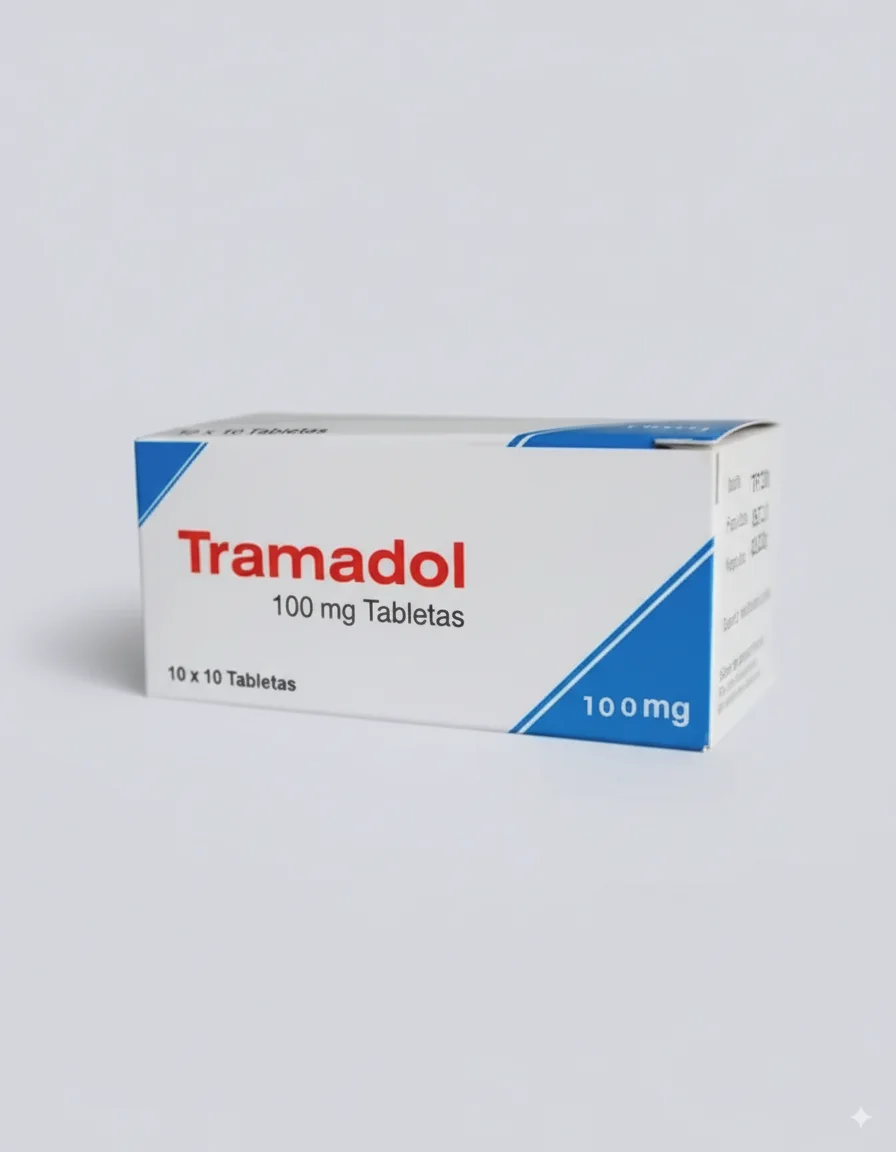
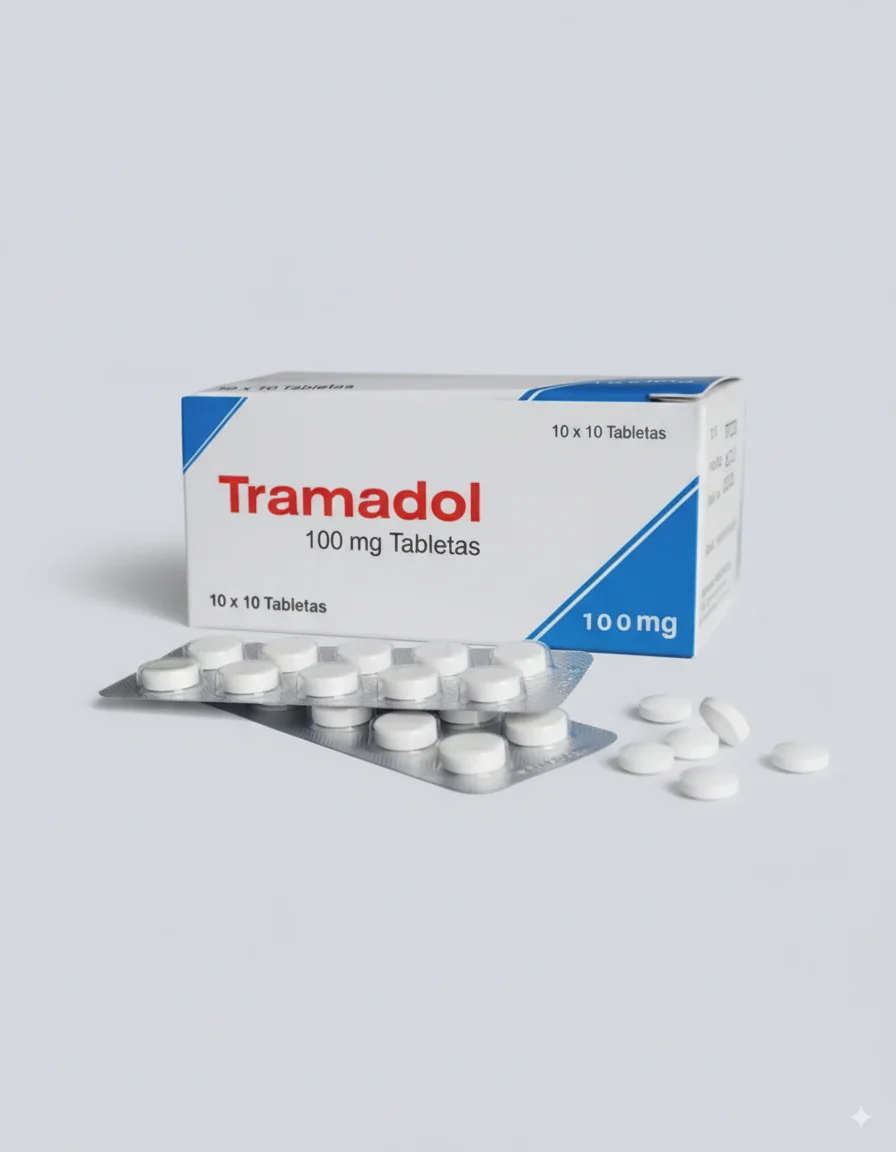
A Comprehensive Guide to Better Sleep
What Is Insomnia?
Insomnia represents one of the most prevalent sleep disorders affecting millions worldwide. This condition manifests as persistent difficulty falling asleep, staying asleep, or achieving restorative sleep quality. Unlike occasional sleepless nights, insomnia creates a cycle of sleep disruption that significantly impacts daily functioning and overall quality of life.
Classification of Insomnia Types
Transient Insomnia (Acute/Short-term)
Duration: Several days to a few weeks
Characteristics: Often triggered by specific stressors, environmental changes, or temporary lifestyle disruptions. This form typically resolves naturally once the underlying trigger is addressed.
Common triggers include:
- Work-related stress or major life transitions
- Travel and jet lag disruption
- Temporary illness or medication side effects
- Environmental factors like noise or temperature changes
Chronic Insomnia (Long-term)
Duration: Three or more nights per week for at least three months
Impact: Represents a serious medical condition requiring professional intervention and comprehensive treatment strategies.
Key symptoms encompass:
- Persistent daytime fatigue and cognitive impairment
- Frequent nighttime awakenings with difficulty returning to sleep
- Morning feelings of unrefreshed sleep
- Concentration difficulties and memory problems
Health Implications of Chronic Sleep Deprivation
Chronic insomnia extends far beyond simple tiredness, creating cascading effects throughout multiple body systems. Research consistently demonstrates strong correlations between persistent sleep disorders and serious health conditions.
Physical Health Consequences
- Cardiovascular system: Increased risk of hypertension, heart disease, and stroke
- Metabolic function: Higher susceptibility to type 2 diabetes and obesity
- Digestive health: Compromised gastrointestinal function and increased acid reflux
- Immune system: Weakened resistance to infections and slower recovery times
Cognitive and Emotional Impact
- Impaired decision-making abilities and reduced reaction times
- Increased irritability and mood instability
- Higher rates of anxiety and depression
- Decreased work performance and relationship satisfaction
Health Implications of Chronic Sleep Deprivation
Chronic insomnia extends far beyond simple tiredness, creating cascading effects throughout multiple body systems. Research consistently demonstrates strong correlations between persistent sleep disorders and serious health conditions.
Physical Health Consequences
- Cardiovascular system: Increased risk of hypertension, heart disease, and stroke
- Metabolic function: Higher susceptibility to type 2 diabetes and obesity
- Digestive health: Compromised gastrointestinal function and increased acid reflux
- Immune system: Weakened resistance to infections and slower recovery times
Cognitive and Emotional Impact
- Impaired decision-making abilities and reduced reaction times
- Increased irritability and mood instability
- Higher rates of anxiety and depression
- Decreased work performance and relationship satisfaction
Evidence-Based Treatment Approaches
Cognitive Behavioral Therapy for Insomnia (CBT-I)
Recognized as the gold standard first-line treatment, CBT-I addresses the thoughts and behaviors that perpetuate sleep difficulties. This therapeutic approach demonstrates long-lasting effectiveness without medication dependence.
Core components include:
- Sleep hygiene education: Establishing optimal sleep environment and routines
- Stimulus control therapy: Strengthening the bedroom-sleep association
- Sleep restriction therapy: Improving sleep efficiency through controlled sleep scheduling
- Relaxation techniques: Progressive muscle relaxation and mindfulness practices
Lifestyle Modifications
Sleep Environment Optimization:
- Maintain bedroom temperature between 60-67°F (15-19°C)
- Minimize light exposure and electronic device usage before bedtime
- Invest in comfortable, supportive mattresses and pillows
- Reduce noise pollution through white noise machines or earplugs
Dietary and Substance Considerations:
- Limit caffeine intake, particularly 6-8 hours before bedtime
- Avoid alcohol consumption close to sleep time
- Implement regular meal timing to support circadian rhythm regulation
- Consider natural sleep-promoting foods rich in tryptophan and magnesium
Pharmacological Treatment Options
Prescription Sleep Medications
When non-pharmacological approaches prove insufficient, healthcare providers may recommend prescription sleep aids as part of a comprehensive treatment plan.
Common categories include:
- Z-drugs (Zolpidem, Zopiclone): Short-acting medications designed for sleep initiation
- Benzodiazepines: Older class of sleep medications with higher dependency risk
- Melatonin receptor agonists: Work with natural circadian rhythm processes
- Orexin receptor antagonists: Newer medications targeting wake-promoting brain chemicals
Important Safety Considerations
Medical supervision remains essential when considering sleep medications due to potential risks including:
- Physical and psychological dependency development
- Next-day drowsiness and cognitive impairment
- Complex sleep behaviors and memory difficulties
- Drug interactions with other medications
Healthcare provider consultation ensures appropriate medication selection, proper dosing, and ongoing monitoring for effectiveness and side effects.
Creating Your Personalized Sleep Recovery Plan
Step 1: Sleep Assessment and Documentation
- Maintain a detailed sleep diary for 1-2 weeks
- Track sleep patterns, daytime symptoms, and potential triggers
- Note caffeine consumption, exercise timing, and stress levels
- Document any medications or supplements currently taken
Step 2: Professional Evaluation
- Consult with healthcare providers specializing in sleep medicine
- Discuss underlying medical conditions that may contribute to insomnia
- Consider sleep study evaluation if sleep apnea is suspected
- Review current medications for sleep-disrupting side effects
Step 3: Implementation and Monitoring
- Begin with non-pharmacological interventions as first-line treatment
- Gradually implement lifestyle changes to avoid overwhelming adjustments
- Track progress and adjust strategies based on effectiveness
- Maintain regular follow-up appointments for ongoing support
Conclusion: Path to Better Sleep
Successfully managing insomnia requires a comprehensive, individualized approach combining evidence-based treatments with lifestyle modifications. While the journey to better sleep may take time and patience, the profound improvements in physical health, mental clarity, and overall life satisfaction make this investment worthwhile.
Remember that effective insomnia treatment often involves multiple strategies working together. Professional guidance ensures safe, effective treatment selection while providing the support necessary for long-term sleep health success. With proper treatment and commitment to healthy sleep practices, most individuals can achieve the restorative sleep essential for optimal well-being.
Always consult qualified healthcare professionals before starting any new treatment regimen for sleep disorders. This information is intended for educational purposes and should not replace professional medical advice.